Microsoft
Microsoft

Scannable Summary
Reinventing experiences with design thinking.
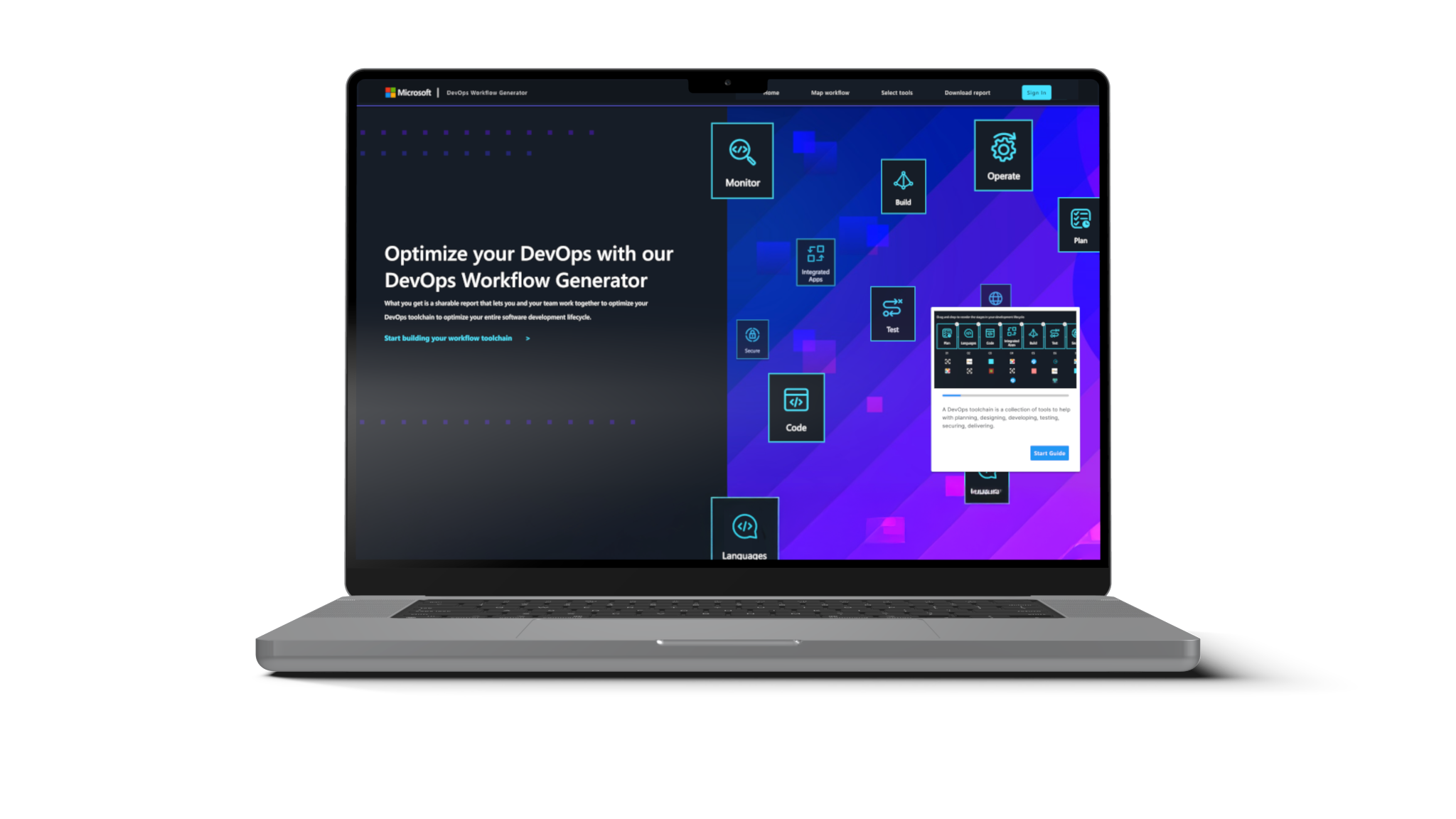
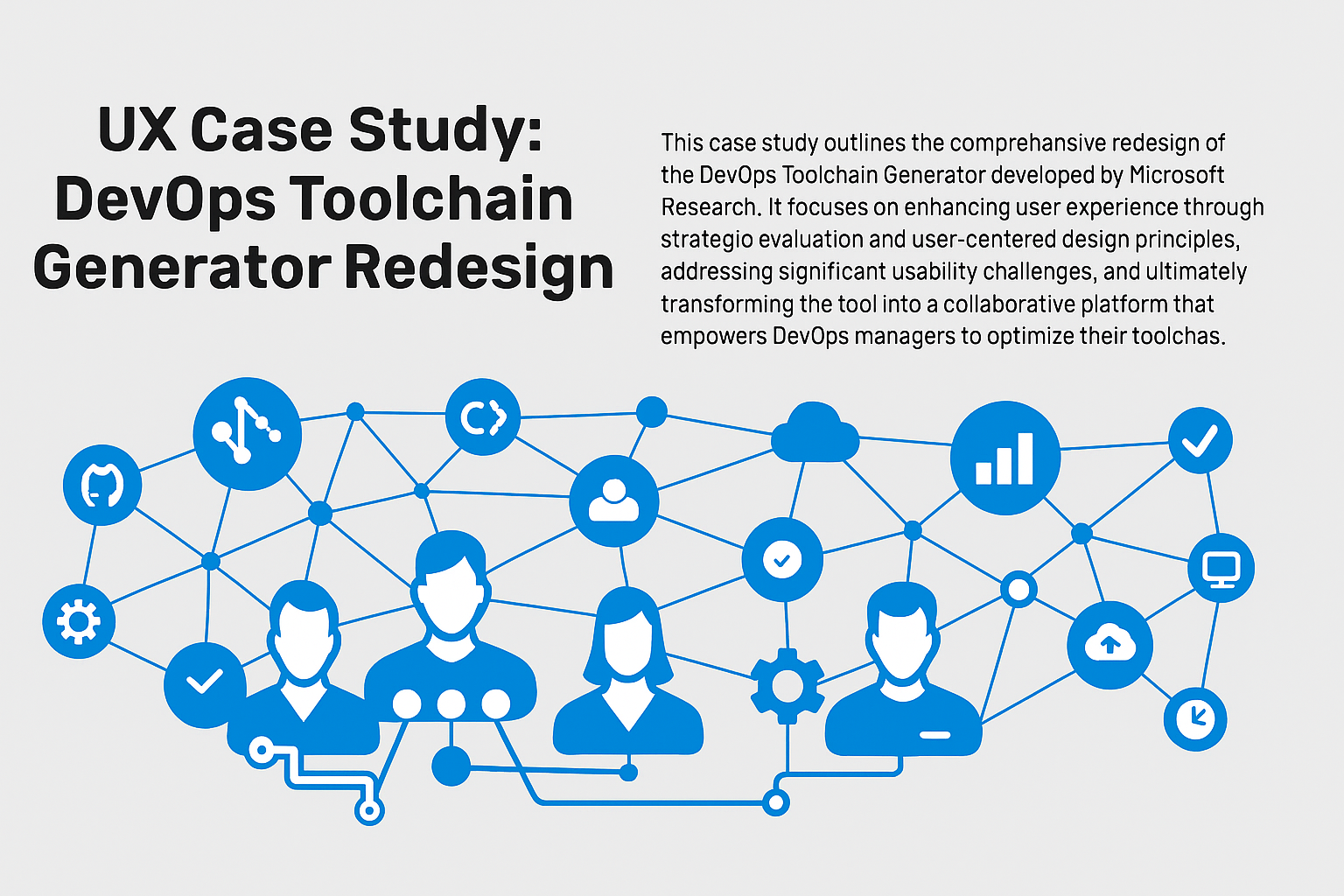
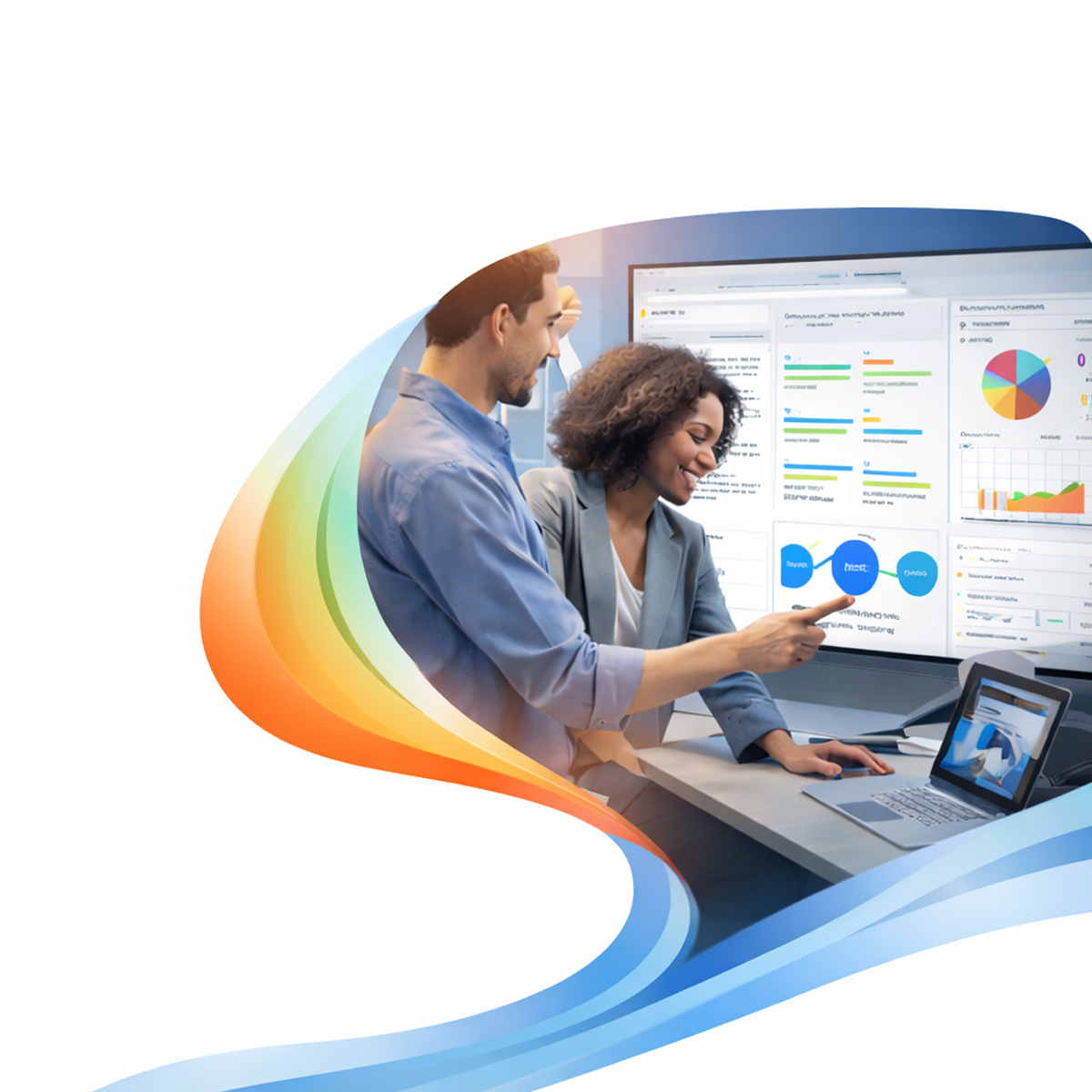
Microsoft DevOps Toolchain Generator: From Decision Paralysis to Confident Action
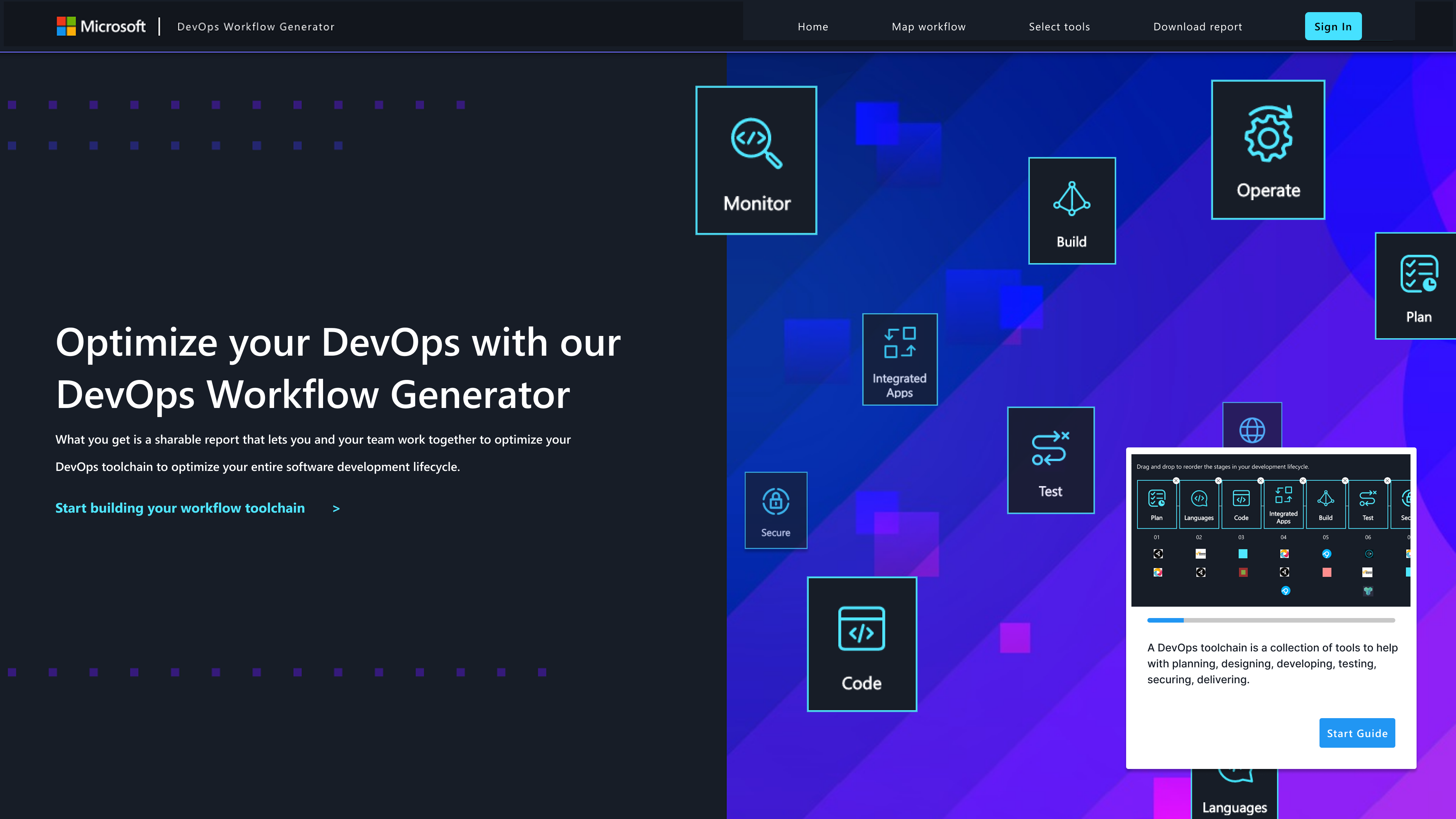
DevOps managers selecting toolchains aren't just picking software—they're making career-defining decisions that lock teams into specific workflows for years. The existing interface presented 1,473 tools across 11 workflow stages with no clear path forward. Users were paralyzed by choice, abandoning the tool or defaulting to what they already knew. Adoption stalled, and Microsoft risked losing enterprise credibility.
Lead UX/UI Product Designer & Strategist. I owned the project from discovery through high-fidelity design, including stakeholder interviews, workflow audits, and final delivery. I was the sole designer, collaborating directly with engineering and product leadership.
Replaced the dense selection interface with a worksheet-style flow that asks users about their constraints, preferences, and team context before revealing recommendations. Each step narrows options intelligently, so by the time users see their toolchain, it feels inevitable—not arbitrary. Added clear value propositions at every stage, visual progress indicators, and an exportable summary that serves as both documentation and internal sell sheet.
Users were paralyzed by choice, so I shifted from a catalog model to a guided conversation. The strategy was to build confidence incrementally—each decision point should make the next one easier, not harder.
Heuristic Evaluation, UX Strategy, Design Systems, Stakeholder Interviews, Workflow Audits
Trust is a UX problem. A polished interface means nothing if users doubt whether the recommendation is defensible. Design for the conversation users will have after they leave your product.
Implement A/B testing on onboarding flows; add collaborative features for team-based decisions; integrate with Azure DevOps for one-click environment setup.
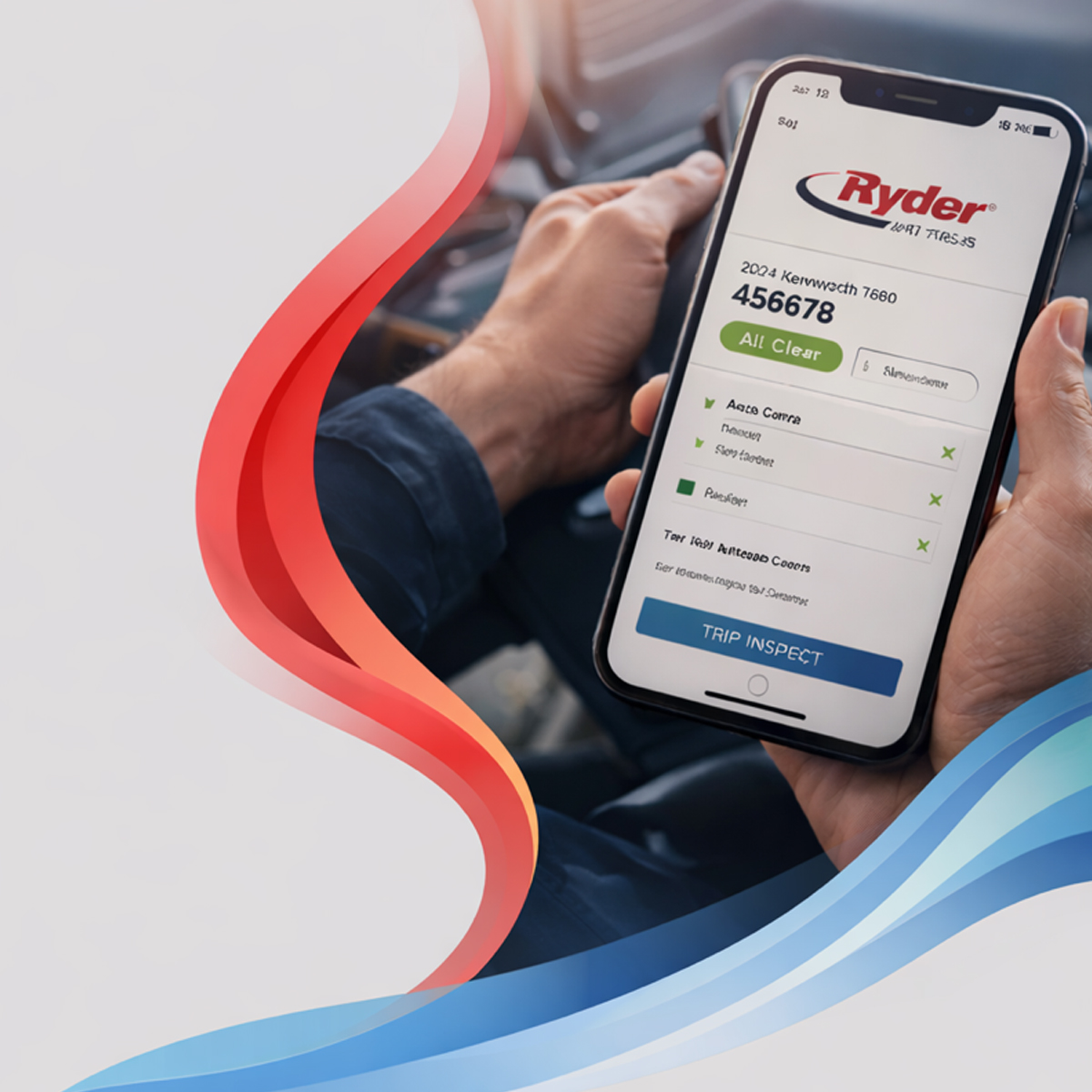
Ryder Fleet Management with Lovable.ai
As Lead UX/UI Product Designer & Strategist, I owned the project from discovery through high-fidelity design. I conducted stakeholder interviews and workflow audits to identify friction points undermining user confidence, then rebuilt the end-to-end experience with clear language, streamlined navigation, and a modular design system aligned with Microsoft's brand standards.
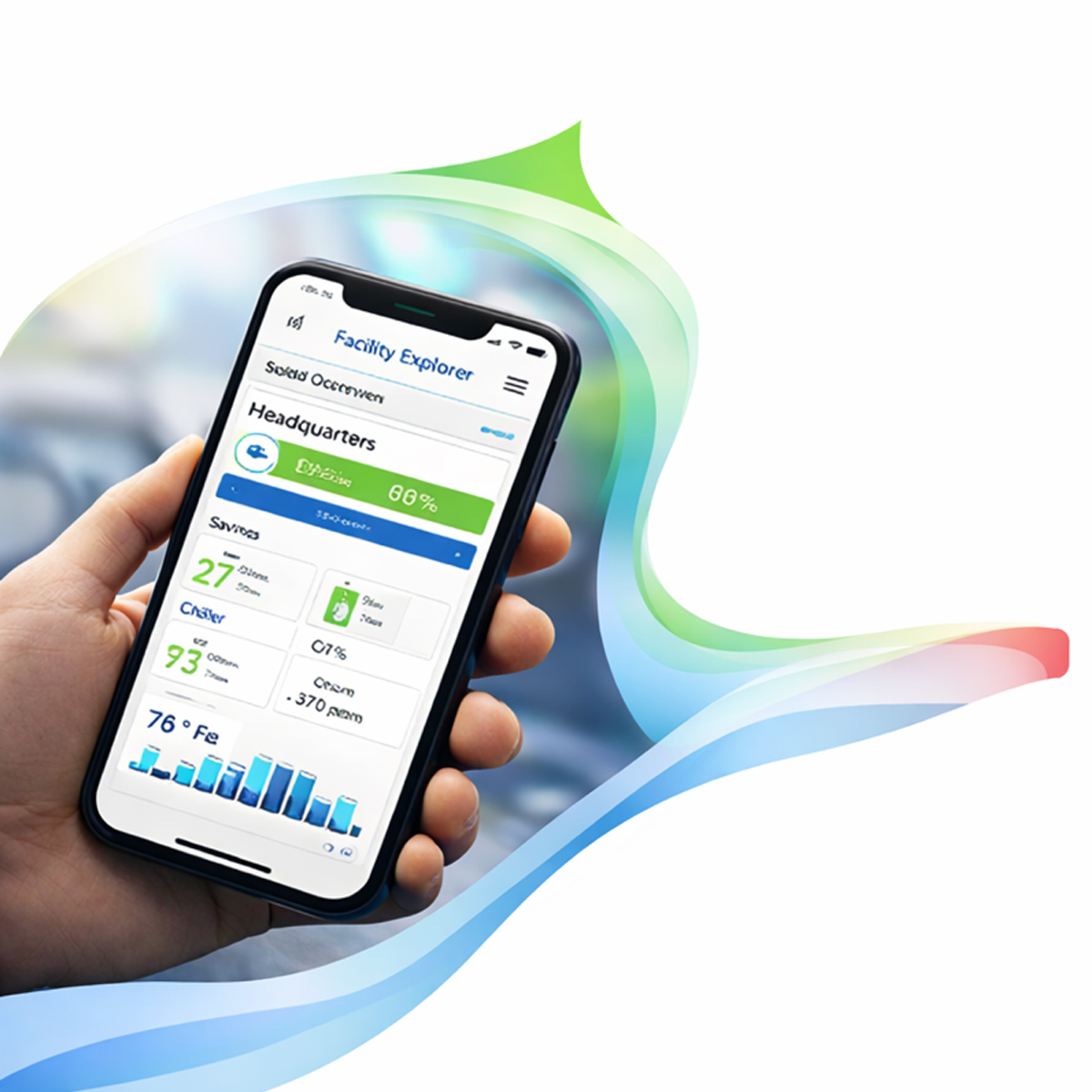
Johnson Controls Example AppLICATION
I designed and built this app is for demonstration purposes to mirror the type of software required for this JCI project. It is not 100% functional, but close. A secondary purpose is to showcase my problem-solving and UX design and development skills. This is 100% my work product. No templates or references were used.